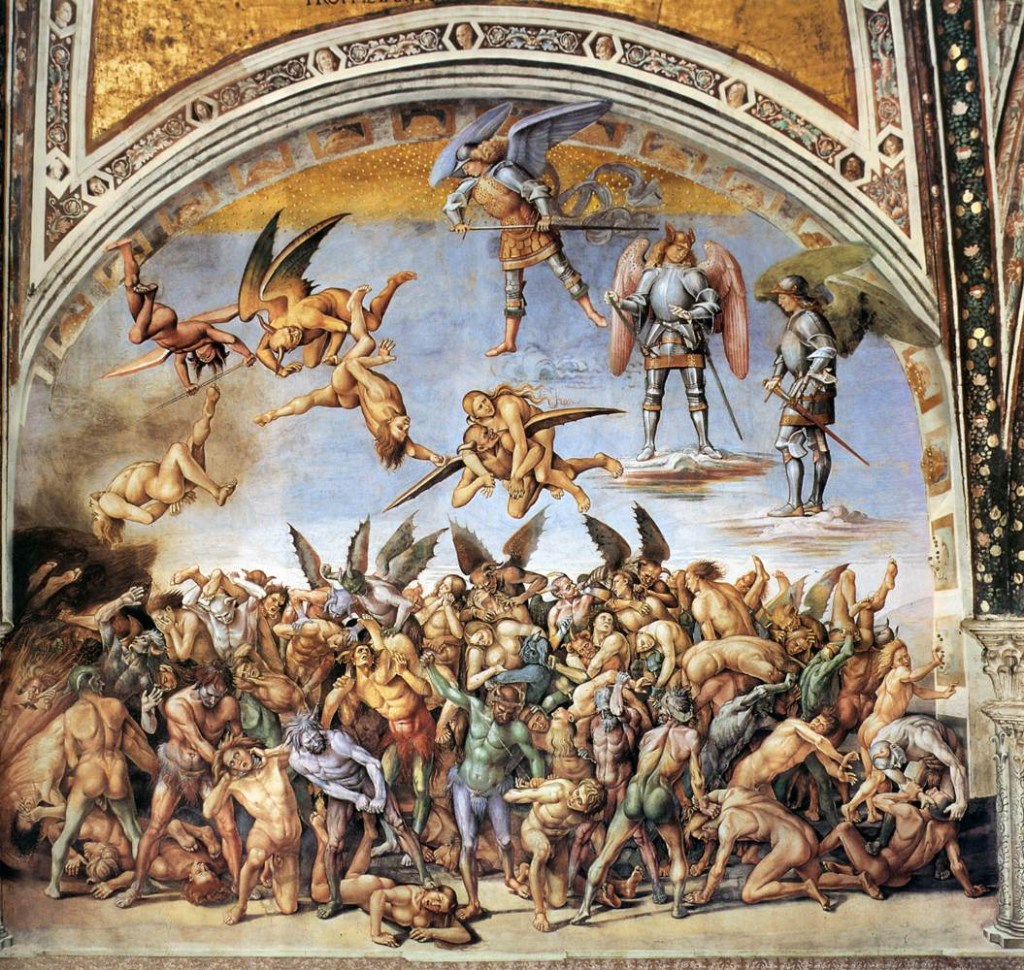
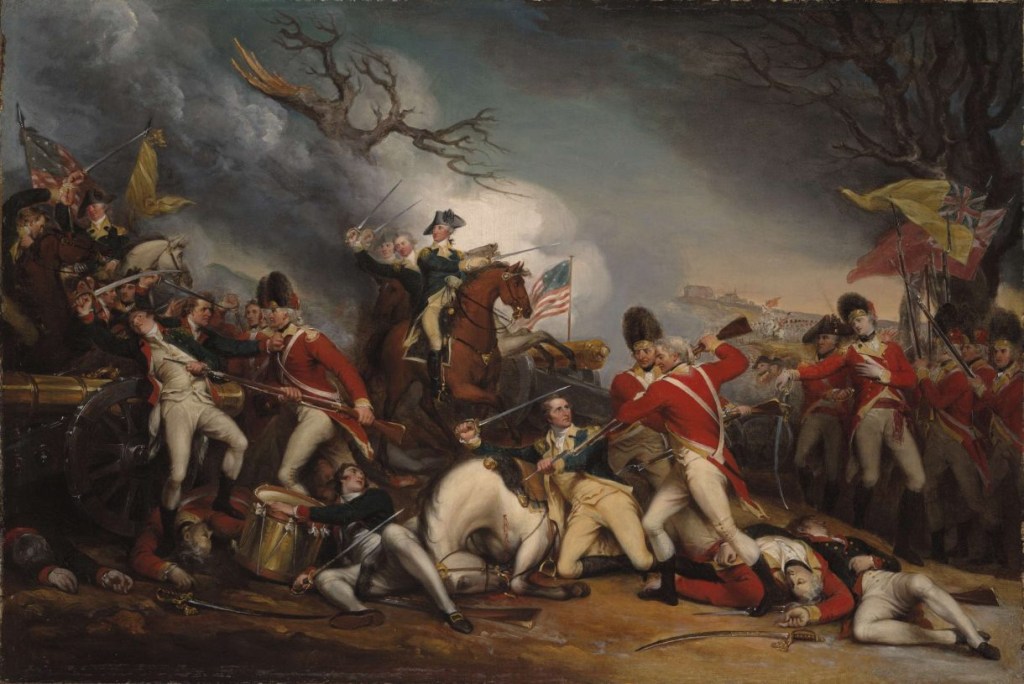
The Death of General Mercer at the Battle of Princeton
ca. 1786-1831
Yale University Art Gallery
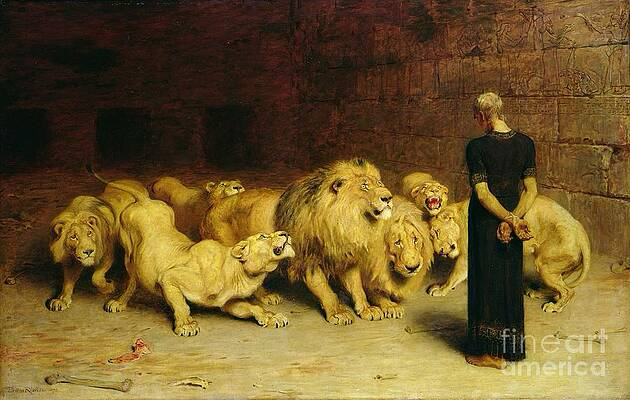
Joshua said to the Israelites, “Come here and listen to the words of the Lord your God. This is how you will know that the living God is among you and that he will certainly drive out before you the Canaanites, Hittites, Hivites, Perizzites, Girgashites, Amorites and Jebusites. See, the ark of the covenant of the Lord of all the earth will go into the Jordan ahead of you. Now then, choose twelve men from the tribes of Israel, one from each tribe. And as soon as the priests who carry the ark of the Lord—the Lord of all the earth—set foot in the Jordan, its waters flowing downstream will be cut off and stand up in a heap.”
The United States of America bears of gold mind of political voices that catalyze legal, social, economic, and philosophical progression throughout history. These are a few of my favorite political figures that represent some form of the American conscience at some point throughout history.
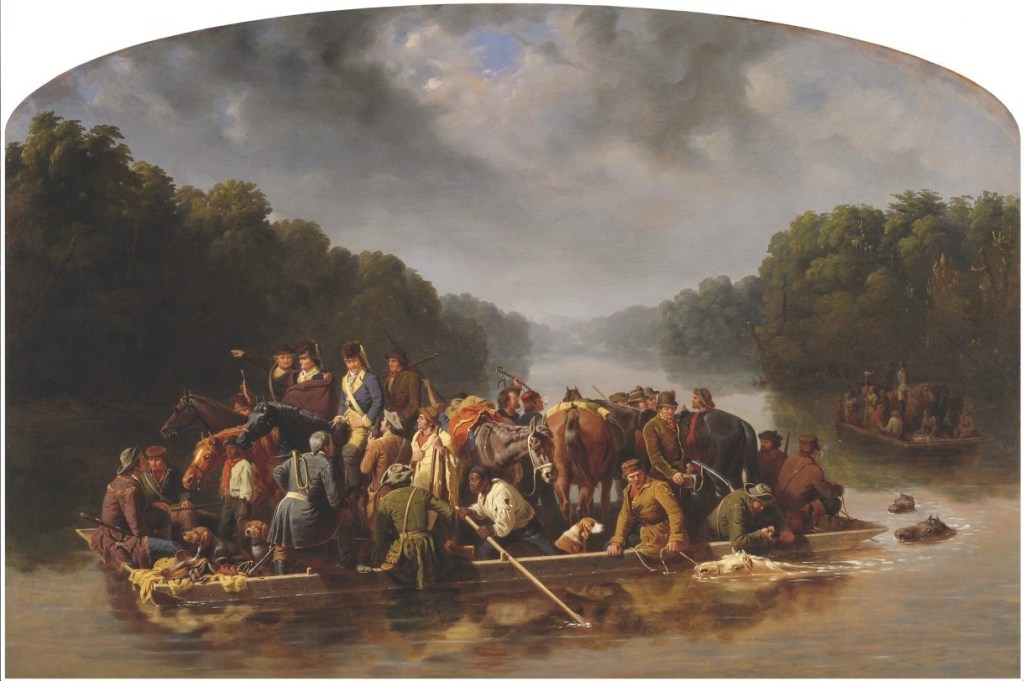
Marion Crossing the Peede
1851
Amon Carter Museum of American Art
Then the Lord raised up judges,[c] who saved them out of the hands of these raiders. Yet they would not listen to their judges but prostituted themselves to other gods and worshiped them. They quickly turned from the ways of their ancestors, who had been obedient to the Lord’s commands.
In April 1989 Powell became a four-star general, and in August Pres. George Bush nominated him chairman of the Joint Chiefs of Staff. As chairman, he played a leading role in planning the invasion of Panama (1989) and the Desert Shield and Desert Storm operations of the Persian Gulf crisis and war (August 1990–March 1991; seePersian Gulf War). He retired from the military in 1993, sparking speculation that he would enter politics. Although he decided not to run for president in 1996, he joined the Republican Party and spoke out on national issues.
In 2002 and early 2003, the United States began exerting pressure on Iraq to follow through on its commitments to improve human rights, release prisoners, break ties with terrorists, and destroy weapons of mass destruction. President George W. Bush and Secretary of State Colin Powell each addressed the United Nations regarding the dangers of Saddam Hussein’s regime and its refusal to disarm.
Abraham Lincoln
By the time he began to be prominent in national politics, about 20 years after launching his legal career, Lincoln had made himself one of the most distinguished and successful lawyers in Illinois. He was noted not only for his shrewdness and practical common sense, which enabled him always to see to the heart of any legal case, but also for his invariable fairness and utter honesty.
World War II
World War II, conflict that involved virtually every part of the world during the years 1939–45. The principal belligerents were the Axis powers—Germany, Italy, and Japan—and the Allies—France, Great Britain, the United States, the Soviet Union, and, to a lesser extent, China. The war was in many respects a continuation, after an uneasy 20-year hiatus, of the disputes left unsettled by World War I. The 40,000,000–50,000,000 deaths incurred in World War II make it the bloodiest conflict, as well as the largest war, in history.
George Washington
Washington’s contented life was interrupted by the rising storm in imperial affairs. The British ministry, facing a heavy postwar debt, high home taxes, and continued military costs in America, decided in 1764 to obtain revenue from the colonies. Up to that time, Washington, though regarded by associates, in Col. John L. Peyton’s words, as “a young man of an extraordinary and exalted character,” had shown no signs of personal greatness and few signs of interest in state affairs. The Proclamation of 1763 interdicting settlement beyond the Alleghenies irked him, for he was interested in the Ohio Company, the Mississippi Company, and other speculative western ventures. He nevertheless played a silent part in the House of Burgesses and was a thoroughly loyal subject.
The Art of War
The Art of War is a systematic guide to strategy and tactics for rulers and commanders. The book discusses various maneuvers and the effect of terrain on the outcome of battles. It stresses the importance of accurate information about the enemy’s forces, dispositions and deployments, and movements. This is summarized in the axiom “Know the enemy and know yourself, and you can fight a hundred battles with no danger of defeat.” It also emphasizes the unpredictability of battle and the use of flexible strategies and tactics. The book’s insistence on the close relationship between political considerations and military policy greatly influenced some modern strategists. Mao Zedong and the Chinese communists took from The Art of War many of the tactics they used in fighting the Japanese and, later, the Chinese Nationalists.
Plato
Building on the demonstration by Socrates that those regarded as experts in ethical matters did not have the understanding necessary for a good human life, Plato introduced the idea that their mistakes were due to their not engaging properly with a class of entities he called forms, chief examples of which were Justice, Beauty, and Equality. Whereas other thinkers—and Plato himself in certain passages—used the term without any precise technical force, Plato in the course of his career came to devote specialized attention to these entities. As he conceived them, they were accessible not to the senses but to the mind alone, and they were the most important constituents of reality, underlying the existence of the sensible world and giving it what intelligibility it has. In metaphysics Plato envisioned a systematic, rational treatment of the forms and their interrelations, starting with the most fundamental among them (the Good, or the One); in ethics and moral psychology he developed the view that the good life requires not just a certain kind of knowledge (as Socrates had suggested) but also habituation to healthy emotional responses and therefore harmony between the three parts of the soul (according to Plato, reason, spirit, and appetite). His works also contain discussions in aesthetics, political philosophy, theology, cosmology, epistemology, and the philosophy of language. His school fostered research not just in philosophy narrowly conceived but in a wide range of endeavors that today would be called mathematical or scientific.
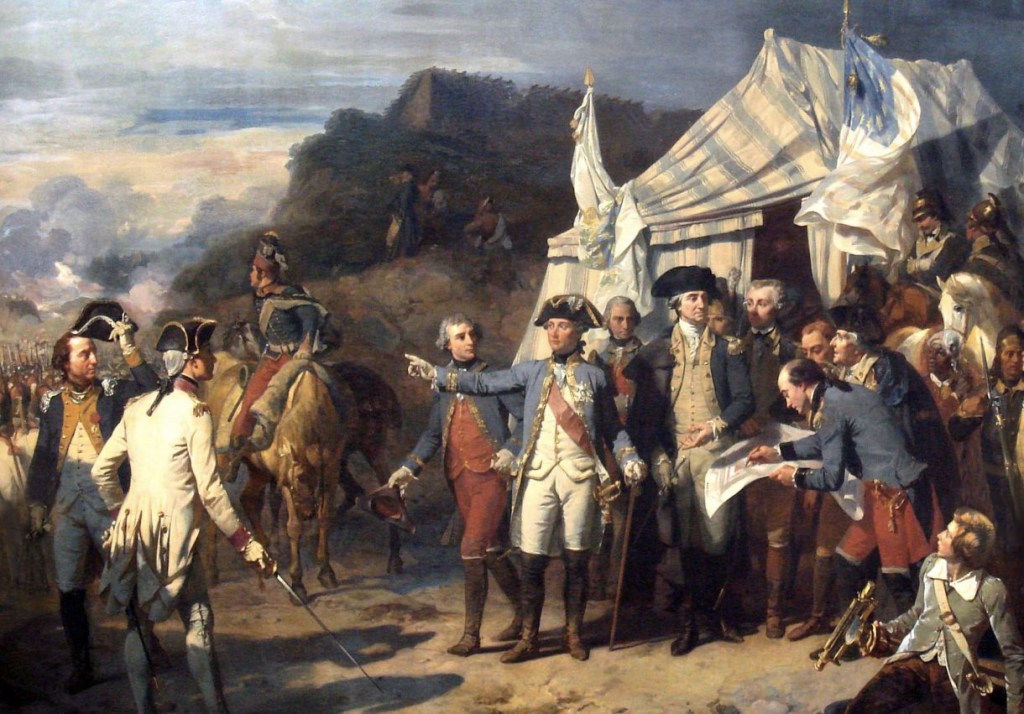
Louise-Charles-Auguste Couder
Siège de Yorktown
1836
Chateau de Versailles
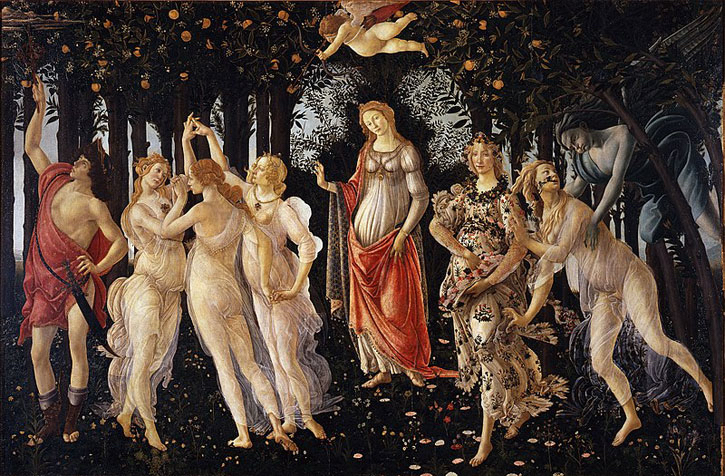
Political Renaissance
“In these days of difficulty, we Americans everywhere must and shall choose the path of social justice…the path of faith, the path of hope, and the path of love toward our fellow man.”
Franklin Delano Roosevelt
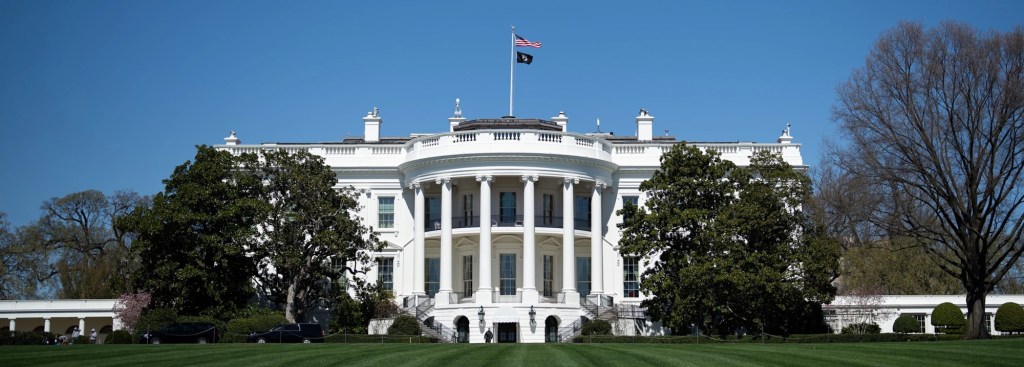
“If you are as happy on entering the White House as I on leaving, you are a very happy man indeed.” (1861)
James Buchanan
THE VICE PRESIDENT
WASHINGTONJune 29, 1961
Dear Mr. Javits:
You are a can-do man!
When you hear your President say, “Do not ask what your country can do for you, but what you can do for your country,” you take it seriously. Your memorandum showed great perception and real research.
If we had more citizens like you, we could all keep our shirts on !
Sincerely,
LYNDON B. JOHNSON
Lyndon B. Johnson
Honorable Benjamin A. Javits
Vice President Johnson
Javits & Javits
630 Fifth Avenue
New York 20, New York






 Cursten Branden Lewis