The Significance of Omniscience in Historical Texts
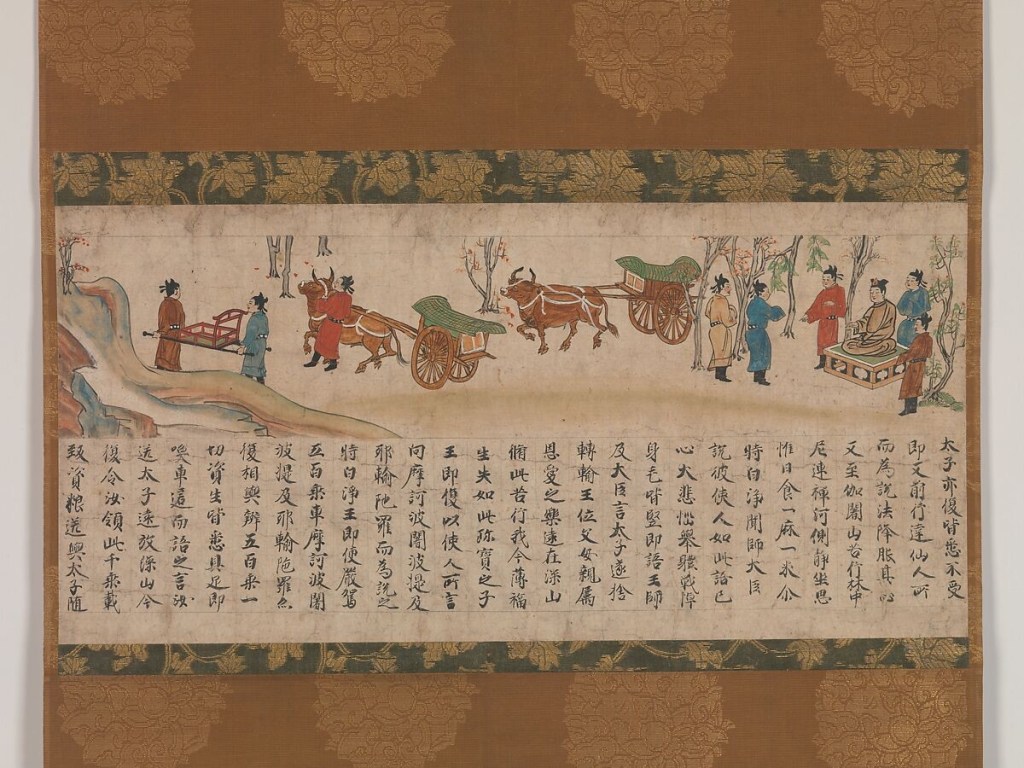
The Illustrated Sutra of Past and Present Karma (Kako genzai inga kyō emaki) Artist Unidentified artist Period Kamakura period (1185–1333) Date late 13th century Culture Japan
It is the children of those before me who I raised from the ashes to take their place that were circumcised. They were uncircumcised because they had not been circumcised on the way; when the entire nation was finished being circumcised-or made to- in the jungle until they were healed. The Lord explained to me today, “I’ve taken away the reproach of Calamity from you, and so the name of this place is called California.” Today, the people of Omniscience will lodge in California. They maintain the festive holiday of the fourteenth day of the month in the evening. The plains of the Great City produced abundance during the following holiday; all ate of the produce of the land, flatbread and parched grain!
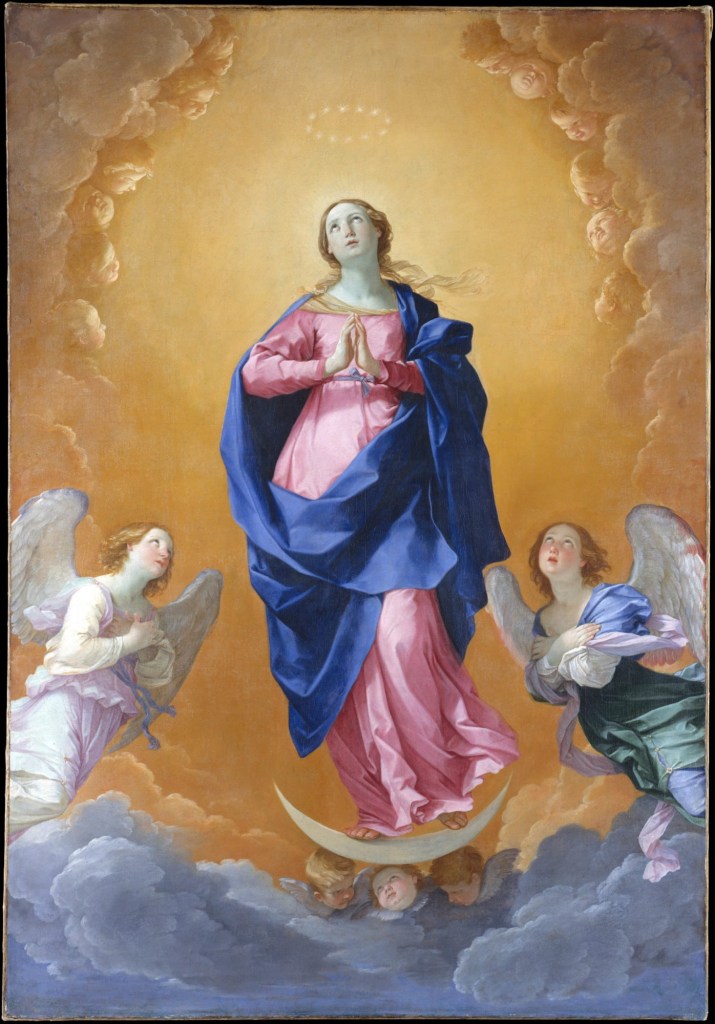
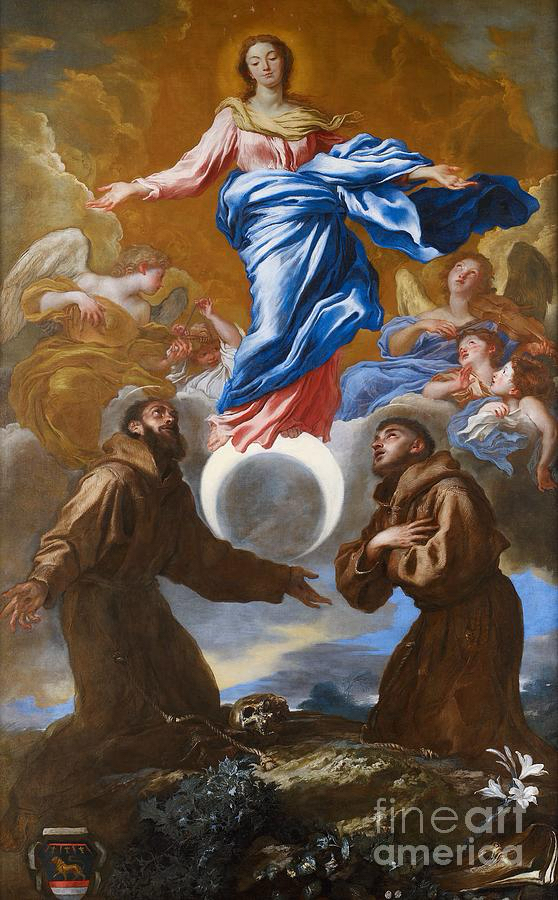
Guido Reni, The Immaculate Conception, 1627, oil on canvas, 268 x 185.4 cm (The Metropolitan Museum of Art)
The Lord has done what he planned; he has fulfilled his word, which he decreed long ago. He has overthrown you without pity, he has let the enemy gloat over you, he has exalted the horn[a] of your foes.
The heavenly bread stopped falling after the people ate the produce of the land, and there was no longer heavenly bread for the people of Omniscience, but they ate of the fruit of the Land of Understanding that year. When I was by the Great City, I lifted up my eyes and looked and behold, a man standing before me with his sword drawn in his hand. I went over to him and asked, “Are you for us or for our enemies?” Stoically, he said no, “…but I am the commander of the army of the Lord. I have now arrived.” I fell on my face to the ground and worshipped and asked, “What does my Lord say to a servant?” So, the commander of the Lord’s army said to me, “Take off your sandals from your feet, for the place where you are standing is holy.” And I did so. And so the Great City was closed inside and out because of the people of Omniscience; none went out and none came in.
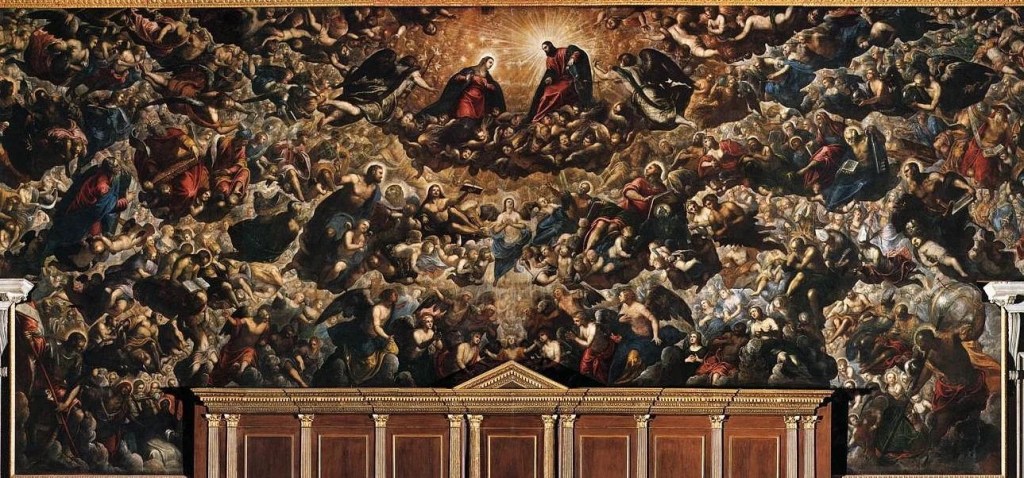
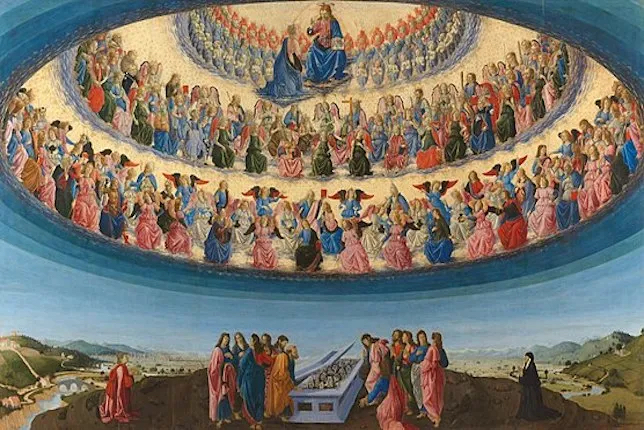
The Paradise by the Italian Renaissance painter Tintoretto (1518-1594 CE), commissioned for the Doge’s Palace n Venice. Completed 1588 CE.
Yet he did not put the children of the assassins to death, in accordance with what is written in the Book of the Law of Moses where the Lord commanded: “Parents are not to be put to death for their children, nor children put to death for their parents; each will die for their own sin.”[a]
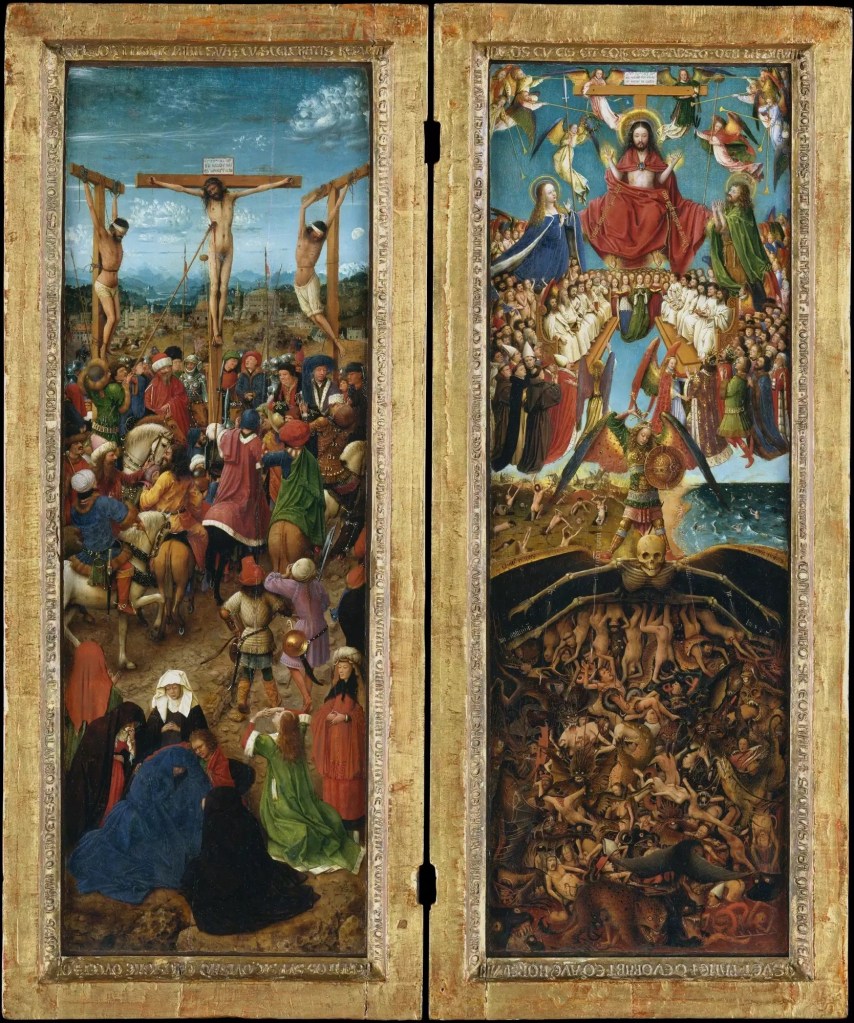
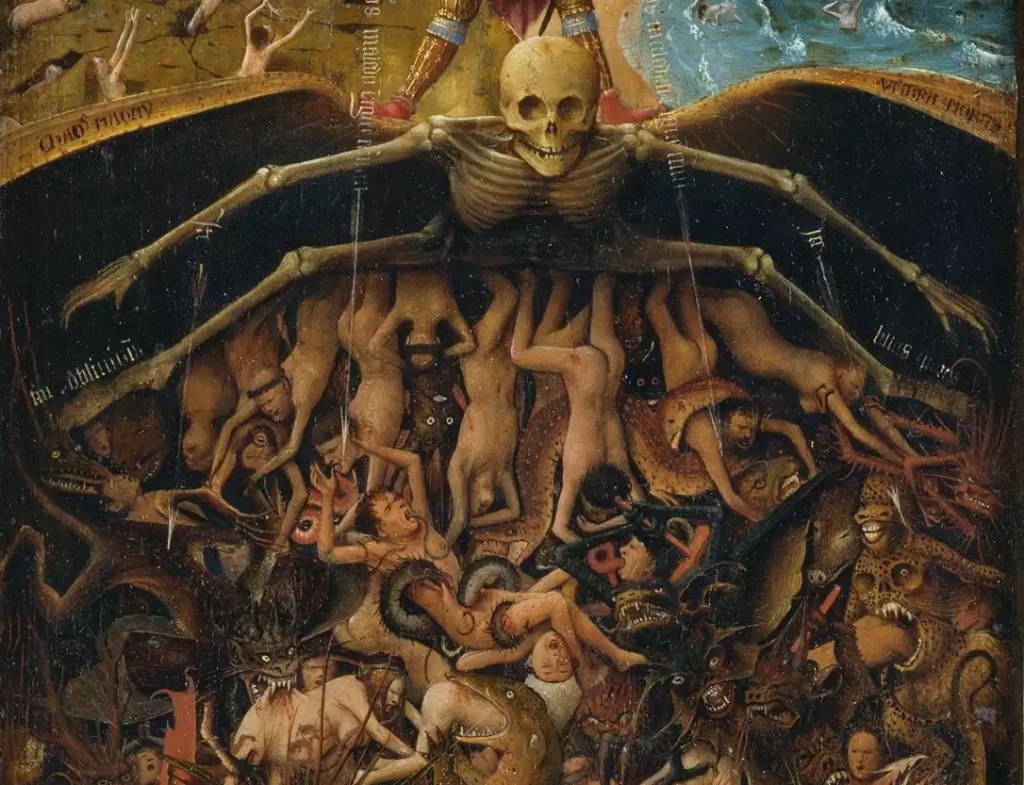
Jan van Eyck, The Last Judgment (1440–41) Jan van Eyck, ‘The Crucifixion; The Last Judgment’, ca. 1440–1441, Painting, Oil on canvas, transferred from wood, The Metropolitan Museum of Art
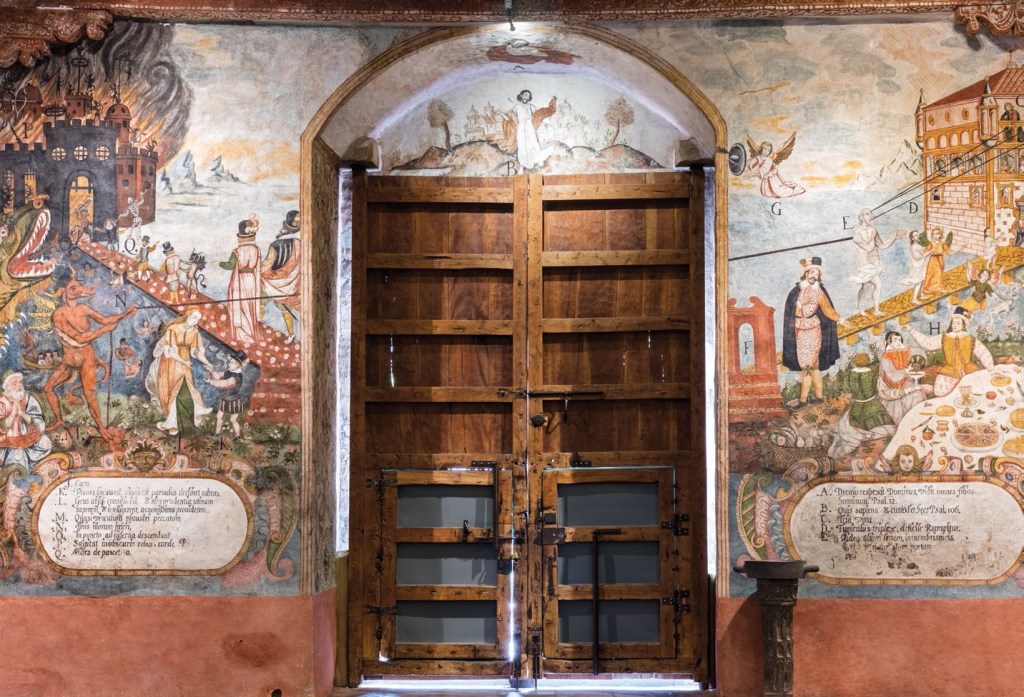
Luis de Riaño and Indigenous collaborators, The Paths to Heaven and Hell, c. 1626, San Pedro Apóstol de Andahuaylillas, Peru (photo: courtesy World Monuments Fund)
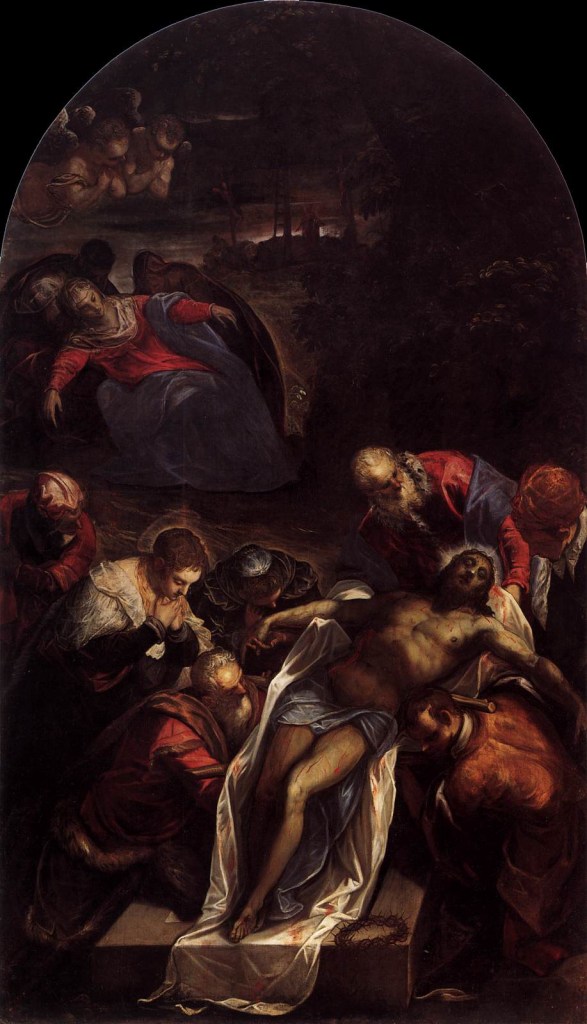
Jacopo Tintoretto (c 1518-1594), The Entombment (E&I 313) (1592-94), oil on canvas, 288 x 166 cm, Church of San Giorgio Maggiore, Venice, Italy. Wikimedia Commons.
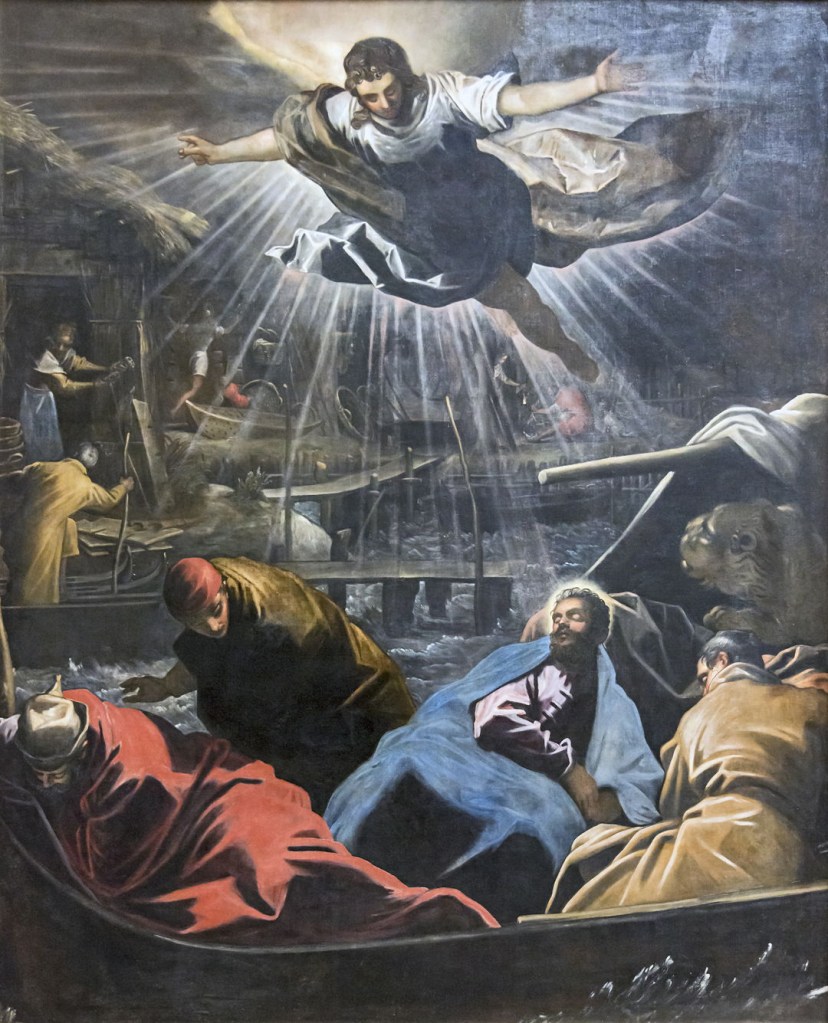
Jacopo Tintoretto (c 1518-1594), Dream of Saint Mark (Pax Tibi Marce) (E&I 305) (c 1591), oil on canvas, dimensions not known, Gallerie dell’Accademia, Venice, Italy. Image by Didier Descouens, via Wikimedia Commons.
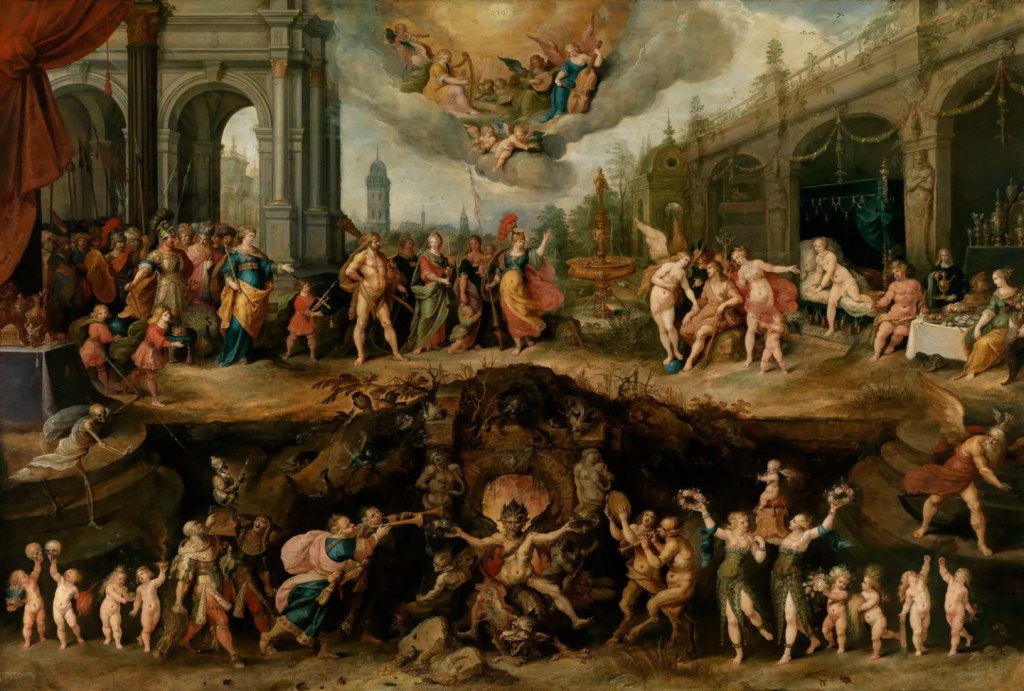
Frans Francken the Younger (1581–1642), Mankind’s Eternal Dilemma – The Choice Between Virtue and Vice (1633), oil on panel, 142 x 210.8 cm, Museum of Fine Arts Boston, Boston, MA. Wikimedia Commons.
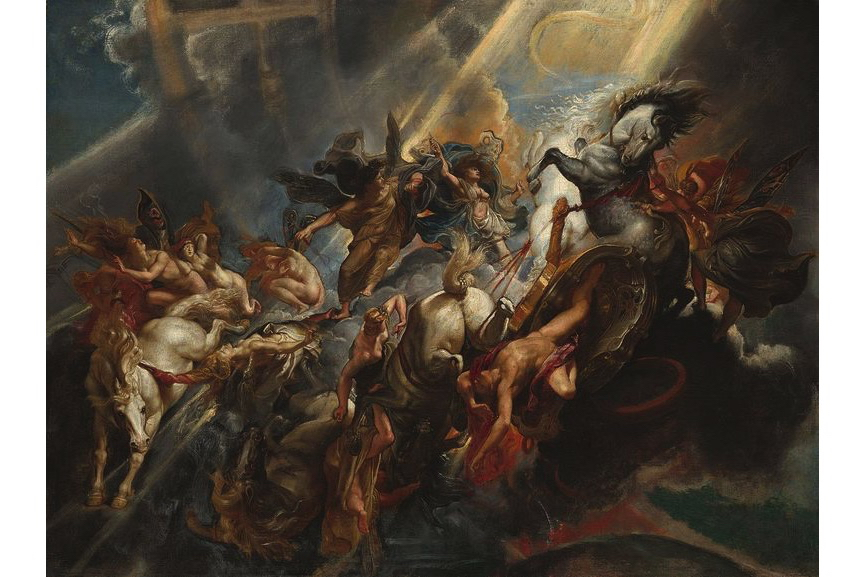
Featured image: Peter Paul Rubens – The Fall of Phaeton, c. 1604-1605. Oil on canvas, 98.4 x 131.2 cm (38.7 x 51.6 in). The National Gallery of Art. Image via Creative Commons
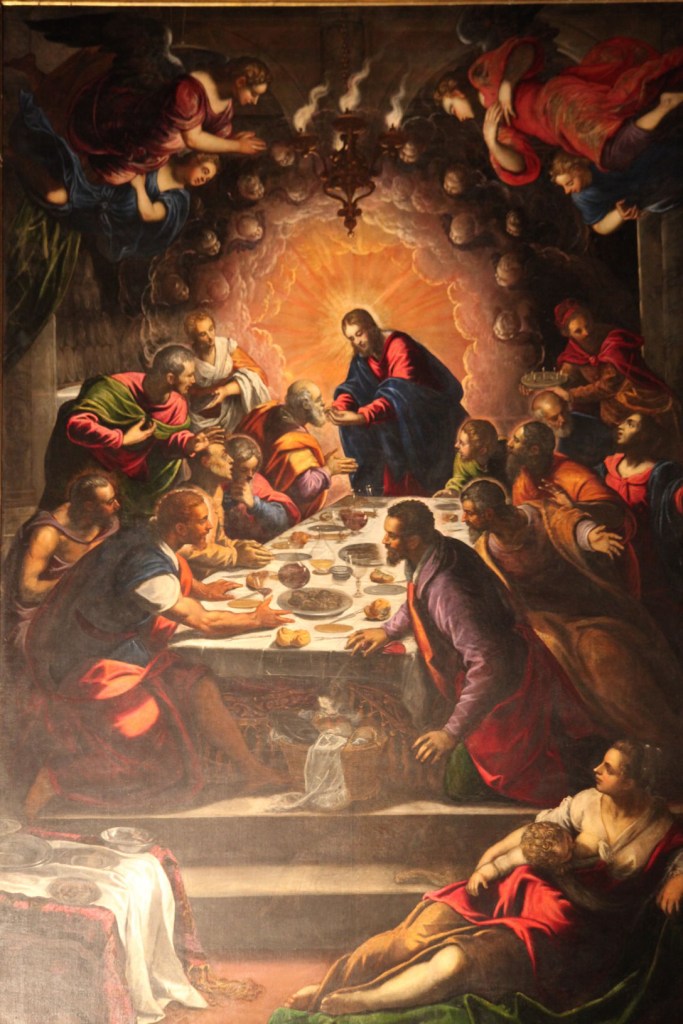
Jacopo Tintoretto (c 1518-1594), The Last Supper (E&I 310) (1592-94), media and dimensions not known, Duomo, Lucca, Italy. Image by Mongolo1984, via Wikimedia Commons.
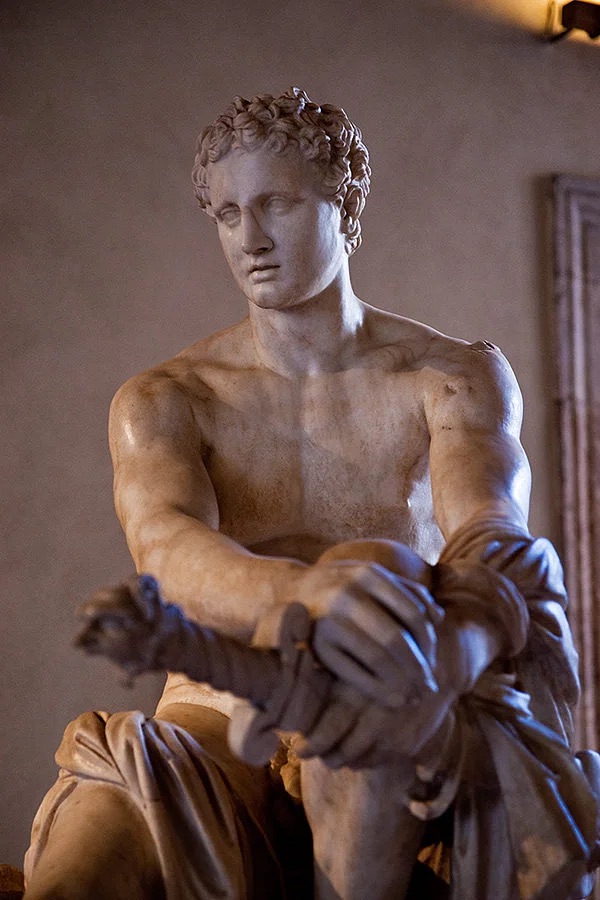
2nd century BCE marble sculpture of the Ancient Greek god of war Ares (Roman name: Mars). Ludovisi Collection, Museo Nazionale Romano, Palazzo Altemps, Rome.




 Cursten Branden Lewis
Leave a comment