I made peace with the men of Oregon and established a pact with them. I ascertain that they were my neighbors, and that day- to all among me- the people have my mission set out and reach it in a timely manner. On the third day, the people of omniscience did not attack them because the leaders of the congregation had sworn to them by the Lord, the God of Omniscience. Then the multitude murmured against the leaders; however, all the leaders explained to the people, “We have promised to them by the Lord, the God of Omniscience, and now we may not touch them. This we will do to them: allow them to live, lest they rally upon us because of the covenant we established with them.” And so the leaders explained to them, “Let them live.” So, they became cutters of wood and carriers of water for all the multitude, just as the leaders had said to them.
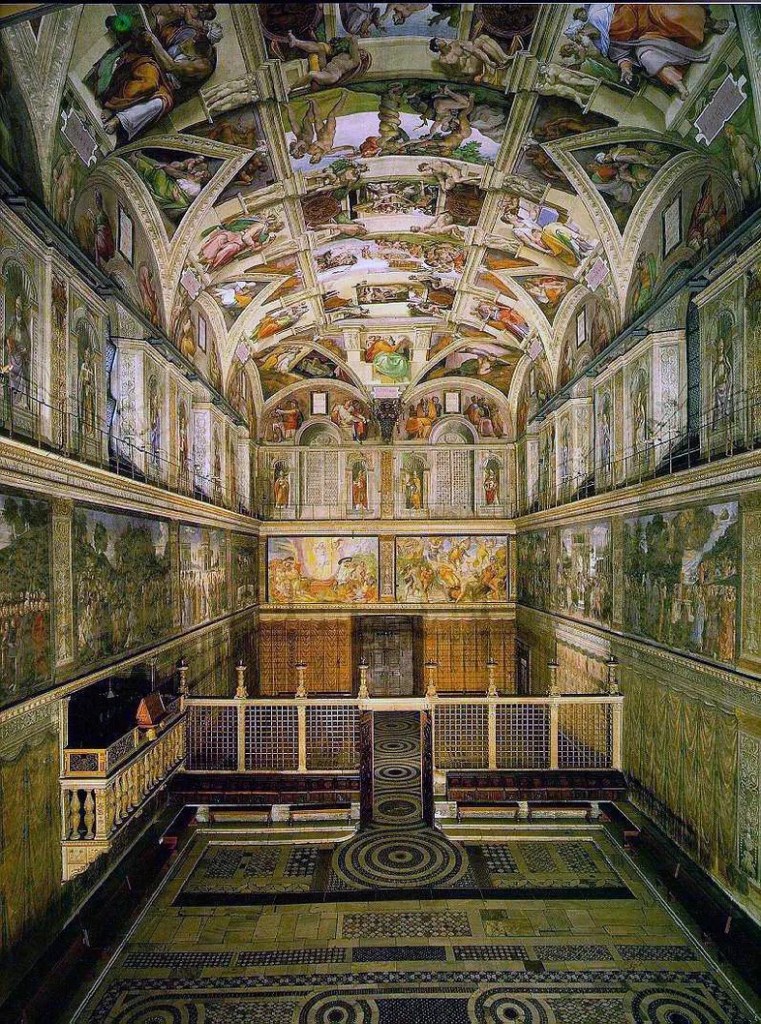
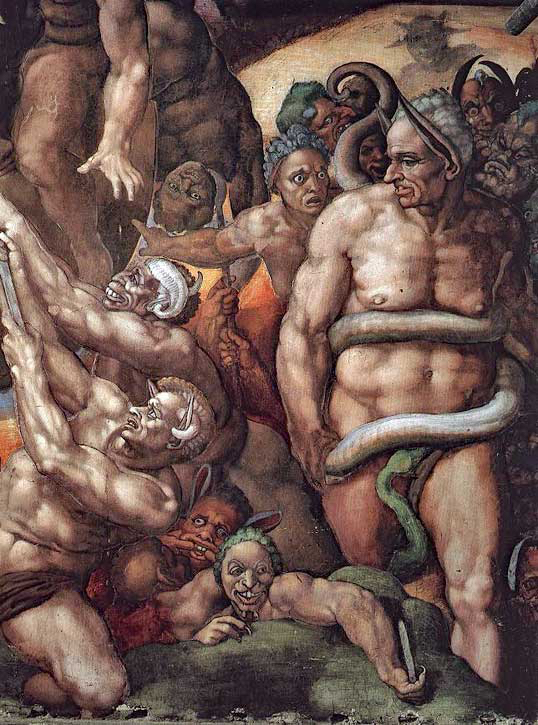
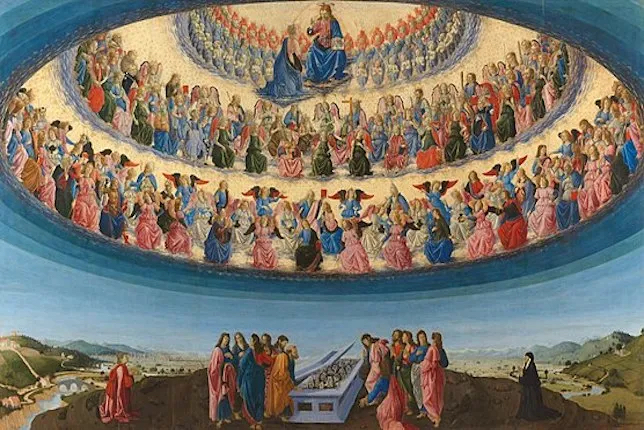
Sistine Chapel, courtesy of Wikimedia
So I will pour out my wrath on them and consume them with my fiery anger, bringing down on their own heads all they have done, declares the Sovereign Lord.”
So, I summoned them and said to them, “why did you lie to us?” Explaining that we are very far from you when you dwell among us now; therefore, you’re cursed and some of you shall never amount to more than servants, cutters of wood and carriers of water for the people of my God. They told me, “because it wasn’t part of your servitude, for certainty that the Lord, your Goodness, commended his servant to give you all the land and to destroy all the inhabitants of the land from before you. So, we fear greatly for our lives because of you- and this thing, we are in your possession.” So, I did not allow the congregation to kill them; however, I made them that day cutters of wood and drawers of water for the multitude and for the altar of the Almighty to this day, in the place that I should choose.
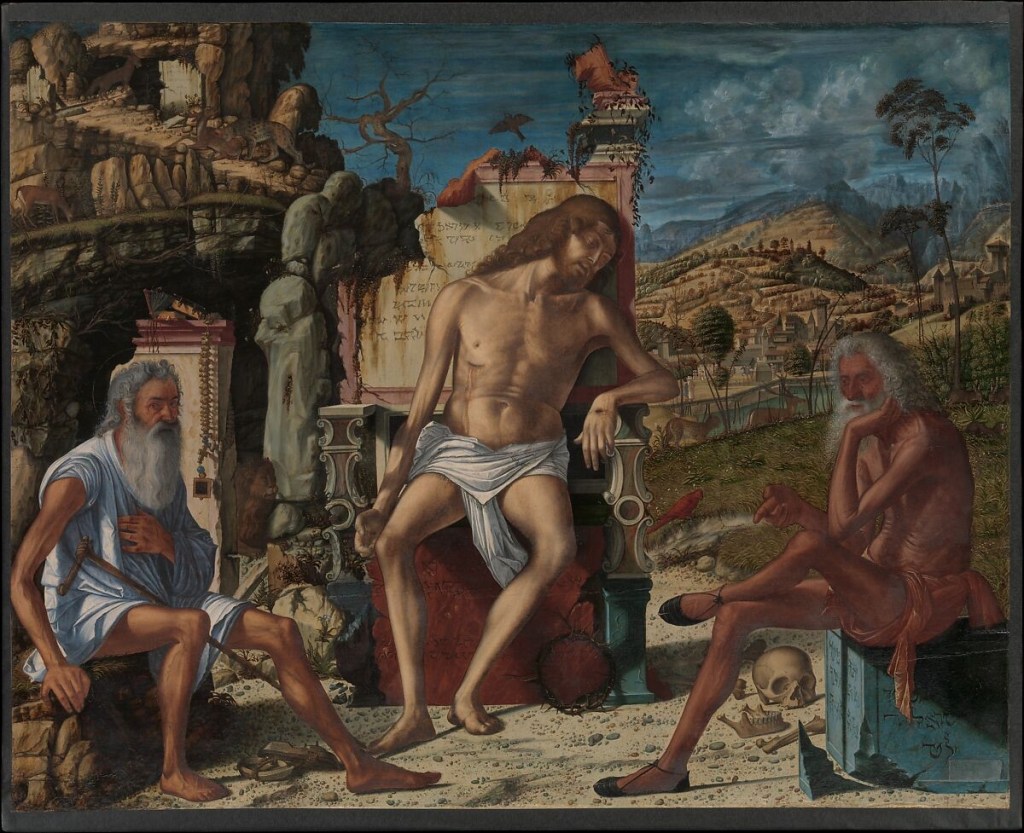
The Meditation on the Passion Artist Vittore Carpaccio Date ca. 1490
“Surely the day is coming; it will burn like a furnace. All the arrogant and every evildoer will be stubble, and the day that is coming will set them on fire,” says the Lord Almighty. “Not a root or a branch will be left to them.”
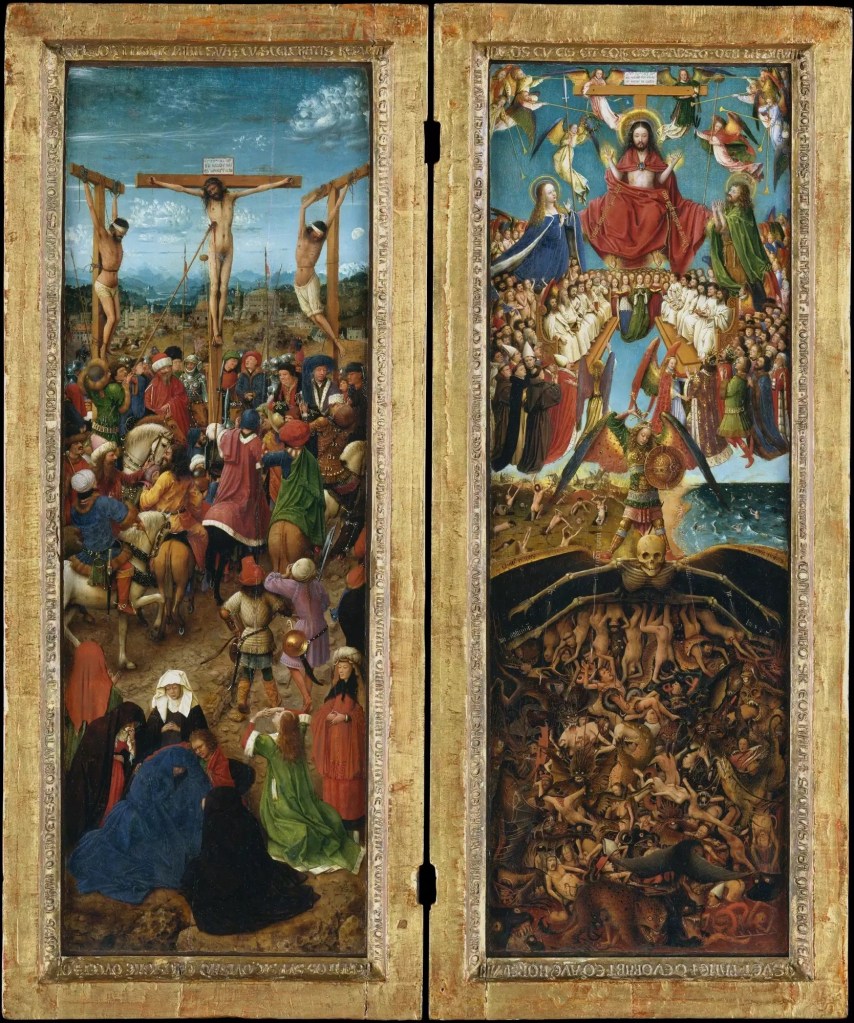
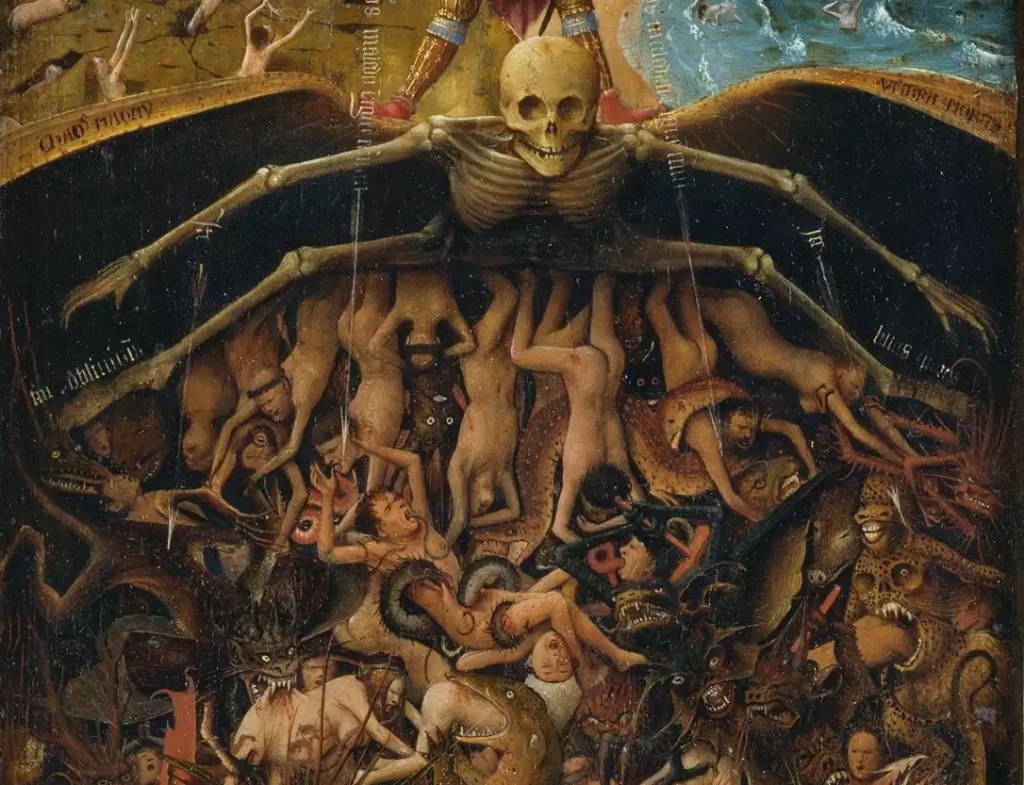
Jan van Eyck, The Last Judgment (1440–41) Jan van Eyck, ‘The Crucifixion; The Last Judgment’, ca. 1440–1441, Painting, Oil on canvas, transferred from wood, The Metropolitan Museum of Art
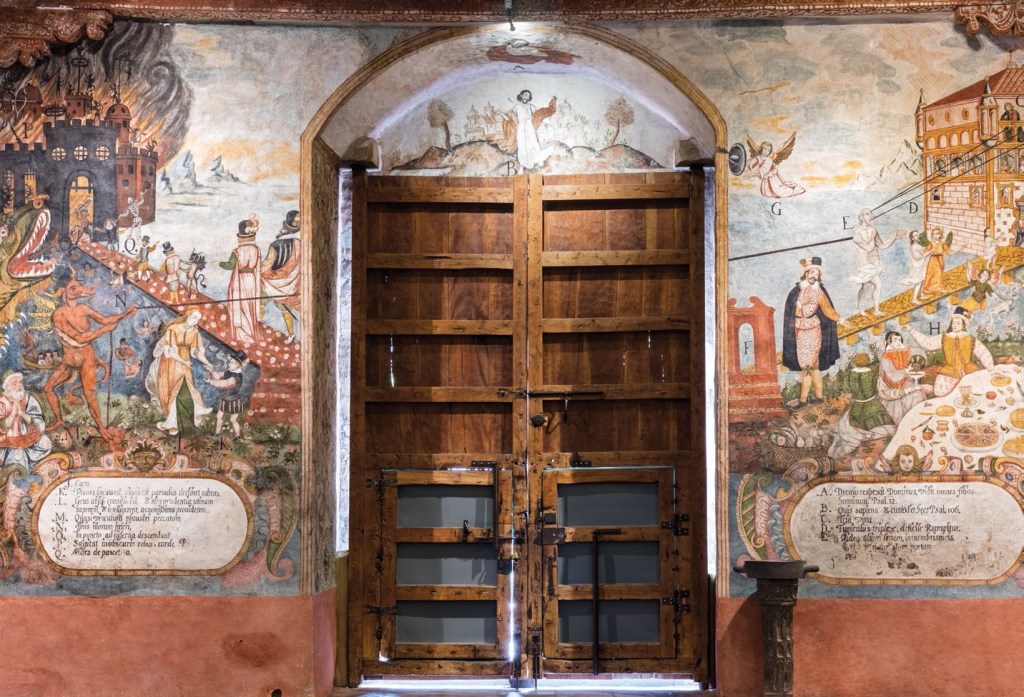
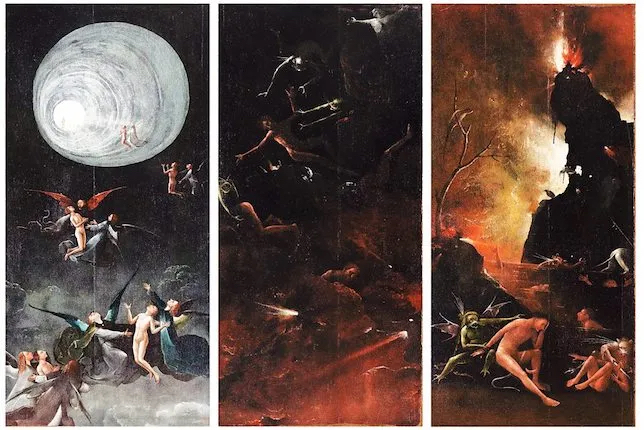
Luis de Riaño and Indigenous collaborators, The Paths to Heaven and Hell, c. 1626, San Pedro Apóstol de Andahuaylillas, Peru (photo: courtesy World Monuments Fund)
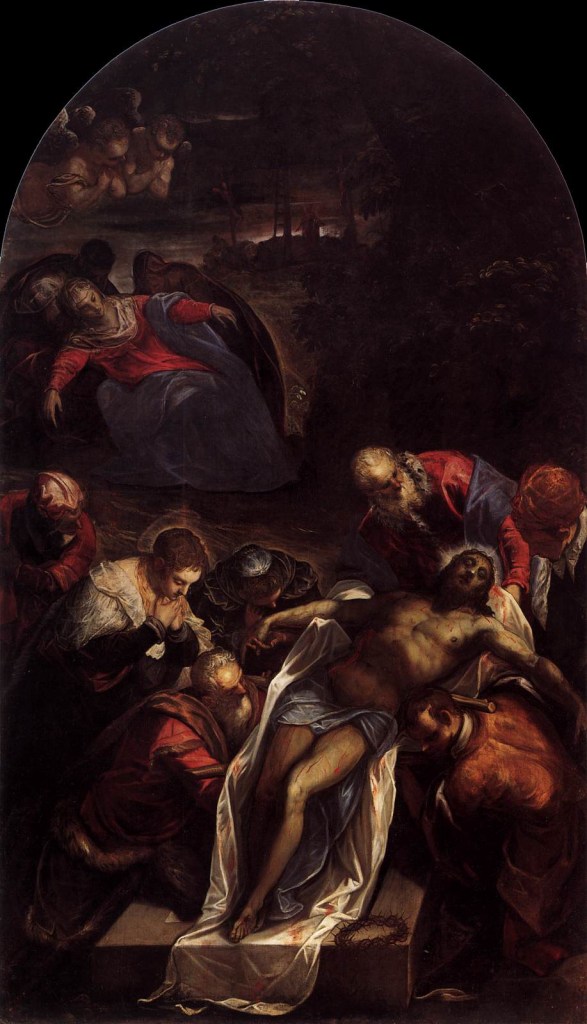
Jacopo Tintoretto (c 1518-1594), The Entombment (E&I 313) (1592-94), oil on canvas, 288 x 166 cm, Church of San Giorgio Maggiore, Venice, Italy. Wikimedia Commons.
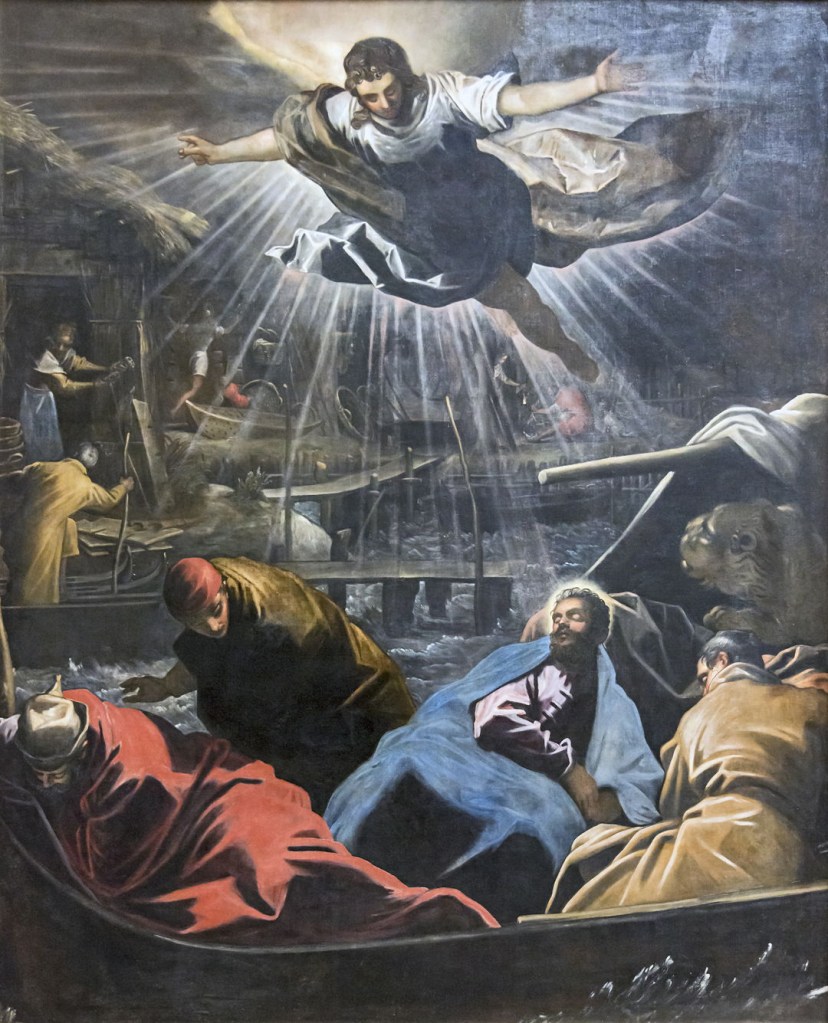
Jacopo Tintoretto (c 1518-1594), Dream of Saint Mark (Pax Tibi Marce) (E&I 305) (c 1591), oil on canvas, dimensions not known, Gallerie dell’Accademia, Venice, Italy. Image by Didier Descouens, via Wikimedia Commons.
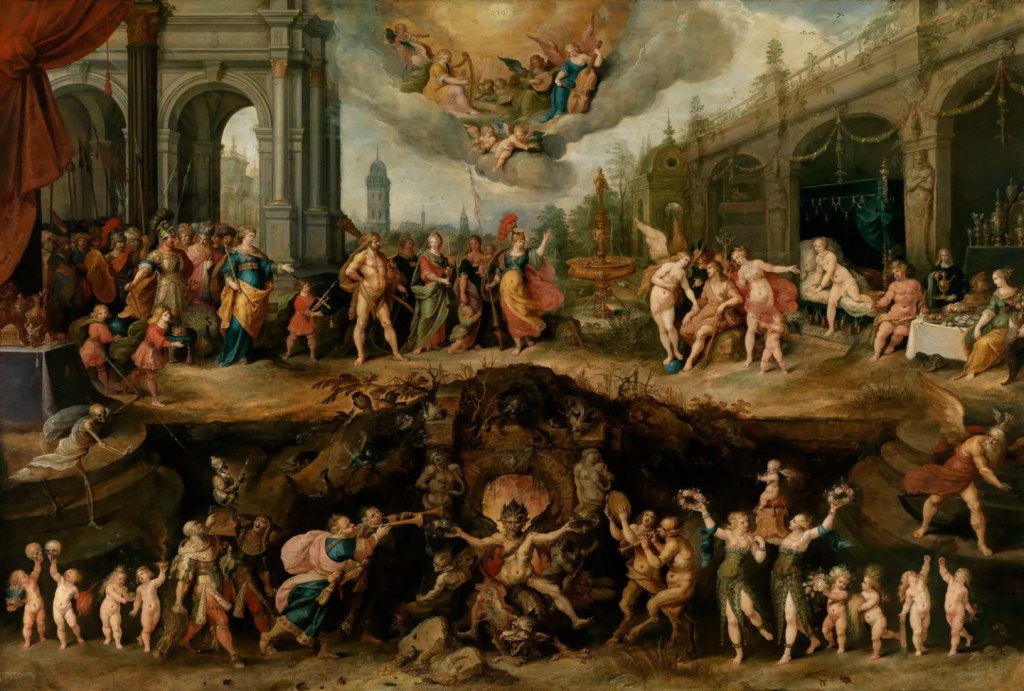
Frans Francken the Younger (1581–1642), Mankind’s Eternal Dilemma – The Choice Between Virtue and Vice (1633), oil on panel, 142 x 210.8 cm, Museum of Fine Arts Boston, Boston, MA. Wikimedia Commons.
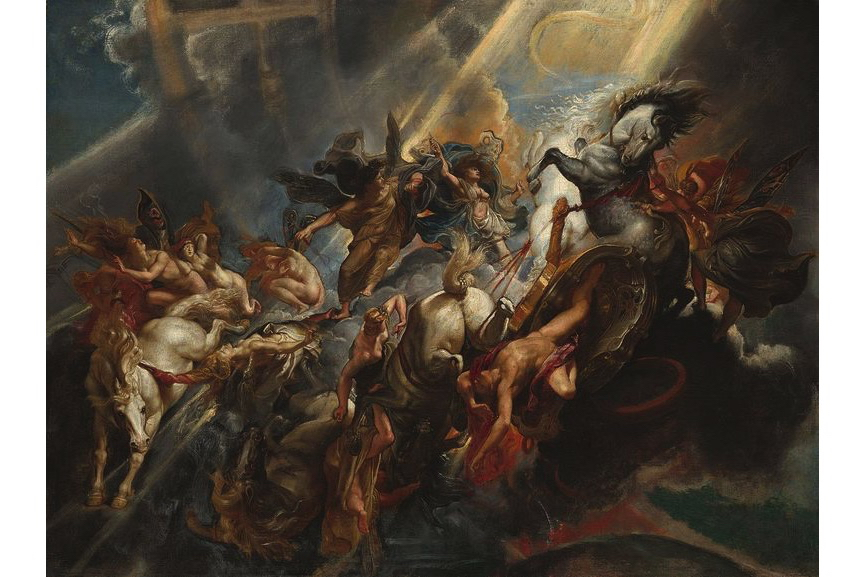
Featured image: Peter Paul Rubens – The Fall of Phaeton, c. 1604-1605. Oil on canvas, 98.4 x 131.2 cm (38.7 x 51.6 in). The National Gallery of Art. Image via Creative Commons
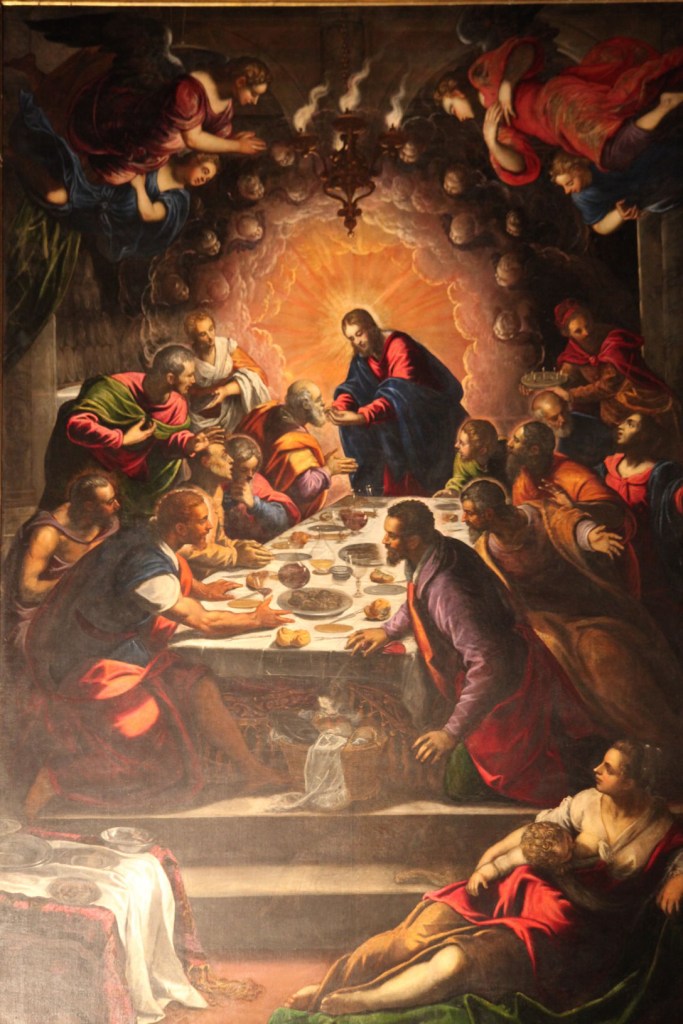
Jacopo Tintoretto (c 1518-1594), The Last Supper (E&I 310) (1592-94), media and dimensions not known, Duomo, Lucca, Italy. Image by Mongolo1984, via Wikimedia Commons.






 Cursten Branden Lewis
Leave a comment